
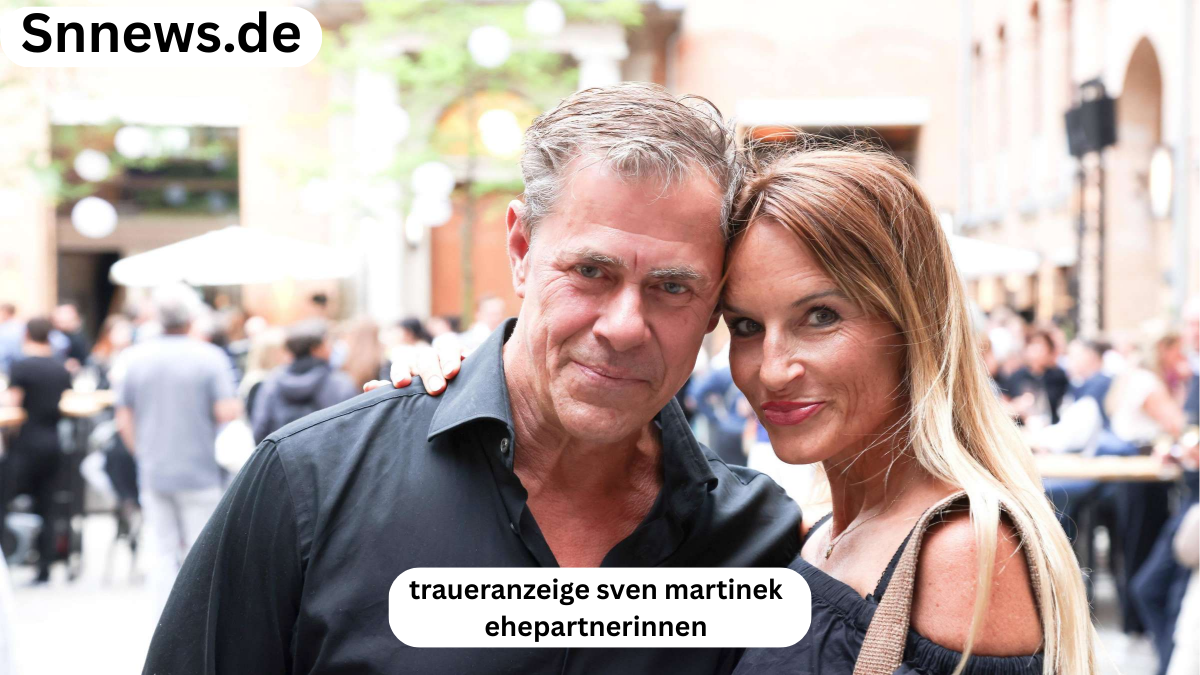
The keyword phrase “traueranzeige sven martinek ehepartnerinnen” combines themes of mourning notices, a well-known public figure, and his marital relationships. At first glance, the phrase can be confusing, especially for readers who encounter it online without background knowledge. It blends the German word “Traueranzeige,” meaning obituary or mourning announcement, with the name of actor Sven Martinek and the term “Ehepartnerinnen,” referring to spouses or wives. Understanding this phrase requires careful context, sensitivity, and factual clarity, particularly because public figures are often subject to rumors, misunderstandings, and speculative searches.
Sven Martinek is widely known for his long-standing career in television and film, especially in German-speaking countries. His professional life, private relationships, and family history have frequently attracted media attention. When search terms link his name with a “Traueranzeige,” it often reflects public curiosity, misinterpretation, or interest in biographical and relational history rather than a confirmed event. This article explores the meaning behind the phrase, the role of mourning notices in German culture, and why questions about spouses and private life arise around celebrities like Sven Martinek.
Understanding the Meaning of “Traueranzeige” in Public Searches
A “Traueranzeige” traditionally refers to a formal announcement of death, often published in newspapers or shared by families to inform the public of a loss. In German-speaking cultures, such notices are deeply rooted in tradition and are treated with respect and seriousness. They usually include personal details, expressions of grief, and information about memorial services.
When such a term appears in online searches alongside the name of a living public figure, it does not automatically indicate that a death has occurred. Instead, it often reflects confusion, misinformation, or a general interest in biographical details related to family, relationships, or past events. In the digital age, search phrases can emerge from rumors, misunderstood headlines, or curiosity about emotional moments in a celebrity’s life, such as the loss of a loved one rather than the individual themselves.
Sven Martinek as a Public Figure and Media Subject
Sven Martinek has built a career that spans decades, making him a familiar face to television audiences. With visibility comes scrutiny, and his private life has often been discussed in interviews and media reports. Relationships, marriages, and separations are frequently highlighted when a public figure is involved, sometimes overshadowing professional achievements.
Because of this attention, it is not unusual for his name to appear in combination with emotionally charged terms. Searches that include “Traueranzeige” may relate to fictional storylines he portrayed, losses within his family or social circle, or misunderstandings that spread quickly online. For readers, distinguishing between verified information and speculation is essential.
The Focus on “Ehepartnerinnen” and Relationship History
The word “Ehepartnerinnen” points directly to spouses and marital relationships. In the case of Sven Martinek, interest in his partners has long existed due to his prominence and openness about aspects of his private life. Media discussions have sometimes focused on how relationships evolved alongside his career, offering a narrative that blends personal growth with public recognition.
When combined with the term “Traueranzeige,” the focus on spouses may suggest that readers are searching for information about how partners are acknowledged in times of loss, or how family structures are presented in public mourning contexts. In traditional mourning notices, spouses are often mentioned prominently, reflecting their emotional and social significance. This cultural detail can drive curiosity about how such practices might apply to well-known personalities.
Cultural Sensitivity and the Risk of Misinterpretation
One of the challenges with keywords like “traueranzeige sven martinek ehepartnerinnen” is the potential for misinterpretation. Without context, some readers may assume that a death has occurred or that a tragic event has taken place. In reality, such search phrases often arise without factual basis, driven by algorithmic suggestions or fragmented information.
It is important to approach these topics with sensitivity, especially when dealing with living individuals and their families. Public figures may accept a certain level of attention, but false associations with death or mourning can be distressing and misleading. Responsible discussion focuses on clarifying meaning rather than amplifying rumors.
The Role of Digital Media in Shaping Search Behavior
Online platforms significantly influence how people search for information. A single misleading headline or comment can generate widespread curiosity, leading to trending keywords that combine unrelated concepts. In this context, “traueranzeige” may appear alongside a celebrity’s name simply because users are trying to confirm or deny a rumor.
Digital media also blurs the line between personal and public life. Fans may seek deeper understanding of a celebrity’s relationships, including spouses and family dynamics, especially when emotional terms are involved. This behavior reflects a broader cultural shift toward continuous access to personal information, even when it is incomplete or speculative.
Respecting Privacy While Exploring Public Interest
Discussing the spouses or relationship history of a public figure like Sven Martinek should be done with respect. While he has shared parts of his life publicly, there remains a boundary between what is known and what should remain private. Searches that combine mourning-related terms with personal relationships highlight the need for careful interpretation.
Rather than assuming tragedy, it is more constructive to view such keywords as expressions of curiosity about how public figures navigate life events, relationships, and cultural traditions. Understanding the difference between factual reporting and search-driven speculation helps readers form a more accurate picture.
Clarifying the Absence of a Confirmed Mourning Notice
As of current and verified information, there is no confirmed “Traueranzeige” announcing the death of Sven Martinek. Any association between his name and such a notice should be approached critically. Often, these searches reflect misunderstanding or interest in symbolic or fictional contexts rather than real-life events.
Acknowledging this absence is important to prevent the spread of misinformation. Readers should rely on credible sources and clear statements rather than assumptions based on search phrases alone.
Why Such Keywords Continue to Appear
The persistence of keywords like “traueranzeige sven martinek ehepartnerinnen” illustrates how public curiosity, emotional language, and celebrity culture intersect. People search for answers when confronted with ambiguous terms, and algorithms reinforce these patterns by suggesting similar queries.
This phenomenon is not unique to Sven Martinek. Many public figures experience similar associations, where their names become linked with dramatic or emotional keywords without factual grounding. Understanding this pattern helps demystify why such phrases appear and why they should be interpreted cautiously.
Reflection on Public Memory and Celebrity Narratives
Celebrities often become part of collective memory, where personal milestones, relationships, and life events are discussed as shared narratives. Terms like “traueranzeige sven martinek ehepartnerinnen” carry emotional weight, and when attached to a familiar name, they prompt strong reactions. This dynamic shows how language shapes perception and why clarity matters.
In the case of Sven Martinek, discussions about spouses and family life reflect ongoing interest in the human side of a well-known actor. When framed responsibly, such discussions can offer insight without crossing into speculation or harm.
Frequently Asked Questions
Is there a real traueranzeige for Sven Martinek?
There is no verified mourning notice announcing the death of Sven Martinek. The keyword often reflects confusion or online curiosity rather than a factual event.
Why do people search for traueranzeige alongside his name?
Such searches may arise from rumors, misunderstood information, or general interest in emotional or personal aspects of a public figure’s life.
What does ehepartnerinnen mean in this context?
The term refers to spouses or wives and points to interest in Sven Martinek’s marital or relationship history, especially in relation to cultural traditions.
Are spouses usually mentioned in a traueranzeige?
In traditional mourning notices, spouses are often mentioned prominently, which may explain why relationship-related terms appear in similar searches.
How should readers approach such keywords responsibly?
Readers should seek verified information, avoid assumptions, and understand that search phrases do not always reflect real events or confirmed facts.
This exploration of “traueranzeige sven martinek ehepartnerinnen” highlights the importance of context, cultural understanding, and careful interpretation when engaging with emotionally charged search terms linked to public figures.
